

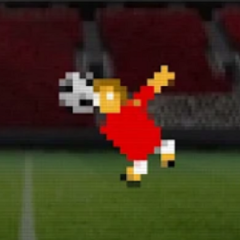

A Small World Cup is a physics-based soccer game where players control a compact character representing a national team. The objective is to score goals by pushing or kicking the ball into the opponent’s net within a limited time. Matches are short and structured around tournament progression, where each win advances the player to the next stage. The gameplay focuses on timing, positioning, and managing movement in a confined field.
Core Controls And Match Structure
In A Small World Cup, players typically use a limited set of controls to jump, rotate, or flip their character. Instead of traditional running mechanics, movement often depends on momentum and body rotation. Contact with the ball determines its direction and speed. Because the field is small, quick reactions are required to block shots and counterattack.
Each match lasts a fixed duration. If the score is tied at the end, some versions include extra time or a replay round. Winning successive matches leads to tournament progression, often structured around knockout brackets.
Teams And Gameplay Elements
The game includes selectable national teams that differ visually but usually share the same core mechanics. Key gameplay elements include:
· Short timed matches
· Tournament bracket progression
· Physics-based ball movement
· Simple jump and rotation controls
· Score tracking and win counters
The physics system influences both ball trajectory and player balance. Over-rotation can cause missed shots or defensive gaps.
Strategy And Timing
Success in A Small World Cup depends on controlled positioning rather than constant movement. Players benefit from staying near the center when defending and timing jumps precisely when attacking. Because the ball reacts quickly to contact, predicting bounce direction is important for maintaining possession.
Aggressive play may lead to scoring opportunities but also leaves space for counterattacks. Balancing offense and defense within short match durations improves consistency. A Small World Cup emphasizes reaction speed, spatial awareness, and efficient use of limited controls. The compact arena and physics-based movement create matches that rely on quick decision-making rather than complex team management systems.